WhatsApp Order-Status Replies That Don’t Need a Human Every Time
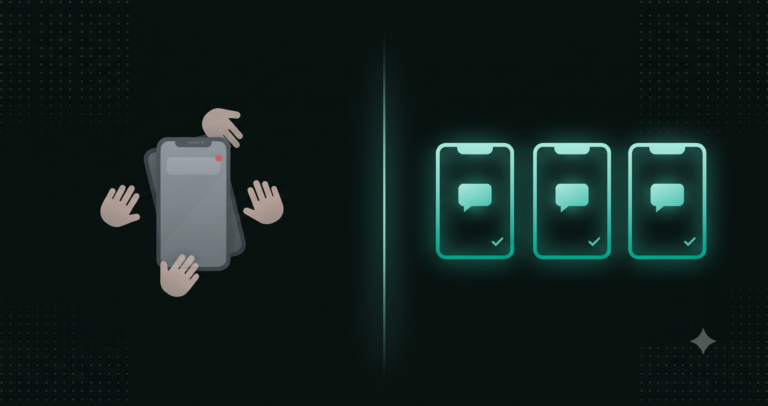
“Where’s my order?” It’s the single most common message a retail business gets on WhatsApp, and it’s also the one that eats up the most staff time for the least value. A customer isn’t looking for a conversation — they want a number, a date, a status. Yet in most retail setups, that question sits in the same queue as a genuine complaint or a sizing question, waiting for a person to type out the same reply they’ve already typed fifty times that week.
The Real Cost of Answering the Same Question All Day
Do the math on a busy week. If your store ships thirty orders a day and even a third of those customers ask for a status update, that’s ten messages a day someone has to stop what they’re doing to answer — checking a courier link, typing it out, sending it. Multiply that across a month and you’ve got hours of staff time spent on a question that has a completely predictable, structured answer. Worse, because it’s tedious, it’s often the first thing that gets delayed when the inbox gets busy — which means the customers asking the simplest question end up waiting the longest.
Where Automation Actually Belongs
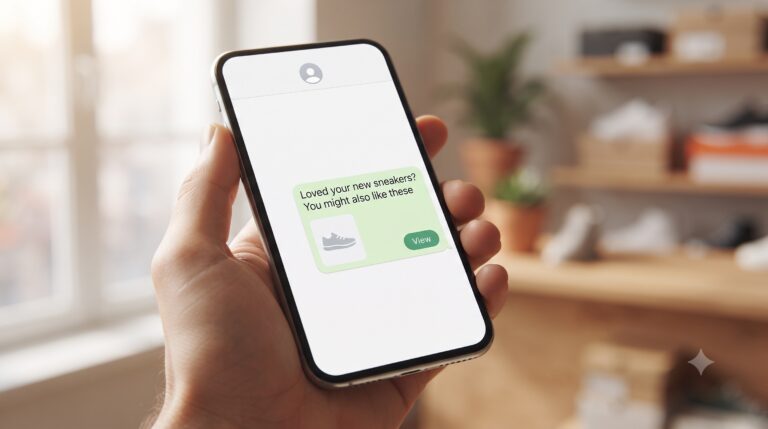
This is exactly the kind of query that shouldn’t need a human at all. A whatsapp order status retail setup built on approved message templates can recognize a status request, pull the current stage — packed, shipped, out for delivery, delivered — and send it back automatically, in seconds, without anyone touching a keyboard. The customer gets a faster answer than a person could type, and your team gets that time back for the messages that actually need judgment.
Templates also make the reply consistent. Instead of five different staff members phrasing the same update five different ways — some helpful, some curt because they’re rushed — every customer gets the same clear, branded confirmation every time.
The Line Automation Shouldn’t Cross
Automating the routine reply doesn’t mean automating the entire conversation. “Where’s my order” is simple until it isn’t — “it’s been out for delivery for three days” is a different problem, and “the tracking says delivered but I never got it” is a different problem entirely. The moment a query stops being a straightforward status check, it needs to land in front of a real person, with the order context already attached so they’re not asking the customer to repeat themselves.
That’s the balance a shared inbox is built to strike: automated replies to close out the simple, repetitive questions, and a clear escalation path — assigned to a specific team member, not just dropped back into a general queue — for anything that needs actual attention. It’s one of the reasons retail teams look at WaSparks’ feature set specifically for how automation and human handling work together in the same inbox, rather than treating them as separate tools.
Building This Into How Your Team Already Works
None of this requires replacing how your store operates day to day. It means setting up a small number of approved templates for the messages you already send constantly — order confirmed, shipped, out for delivery, delayed — and connecting them to your order data so they trigger automatically instead of manually. From there, a shared inbox built for retail businesses keeps every non-routine reply visible, assigned, and tracked the same way the rest of your customer conversations are, so automation handles the volume and your team handles the exceptions.
The result isn’t a colder customer experience — it’s a faster one for the ninety percent of queries that don’t need a human, and a more attentive one for the ten percent that genuinely do.
Ready to stop typing the same order update fifty times a week? Start free with WaSparks and put your repetitive replies on autopilot.
FAQ
Will automated WhatsApp order-status replies feel impersonal to customers?
Not if they’re fast and accurate. Most customers asking “where’s my order” just want the answer — an instant, correctly formatted reply is often a better experience than waiting hours for a person to type the same thing.
What happens if a customer’s question isn’t a simple status check?
It should route to a real team member automatically, with the order details already attached, so the conversation gets handled by a person instead of stalling inside a bot that can’t answer it.
Do I need a developer to set up order-status automation on WhatsApp?
You need approved WhatsApp templates and a way to connect them to your order data — most retail businesses set this up without writing custom code, using existing integrations.
See how it works for retail → retail.wasparks.com
Let automation handle the routine, and keep your team for everything else.
Wasparks writes about messaging strategy, customer communication, and building businesses that put conversations first.