Turning a Post-Purchase Follow-Up Into a Repeat Sale: The Retail WhatsApp Playbook
Most retail businesses treat the order confirmation as the last message in a customer relationship, when it should really be the first message of the next one. A customer who just bought a product has told you exactly what they’re interested in — and the follow-up that references that specific purchase converts at a completely different rate than a generic “come back and shop with us” broadcast weeks later.
What a good post-purchase sequence actually looks like
- Delivery confirmation with a light touch — a simple “hope it arrived well” a day or two after delivery, not a hard sell.
- Usage or care follow-up — genuinely useful, tied to what they bought, building trust before asking for anything.
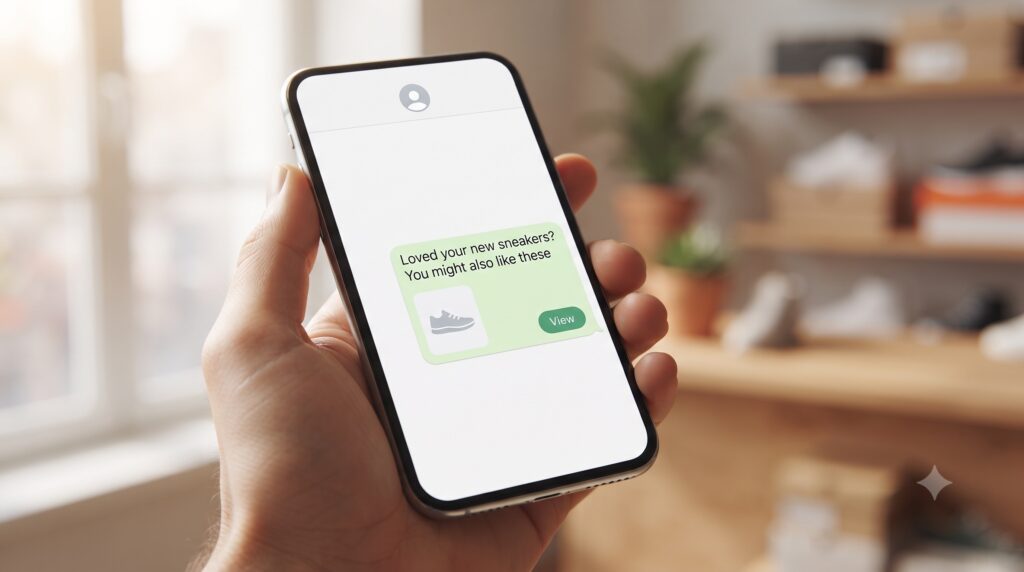
- Complementary product suggestion — timed a few weeks out, based on the actual item purchased, not a generic catalog blast.
- Replenishment reminder — for consumables, timed to when the customer is realistically running low.
Why generic broadcasts underperform this
A broadcast sent to the entire customer list doesn’t know what any individual customer bought, so it can only ever be generic. A follow-up built from actual purchase history can reference the real item, which is the difference between a message that feels relevant and one that feels like every other promotional blast landing in the same inbox.
Where the purchase history actually needs to live
None of this works without a real record of what each customer bought and when — which is exactly what a customer profile built for retail accumulates from order conversations as they happen, so the next follow-up is built from real history instead of a flat, undifferentiated contact list.
FAQ
Isn’t a post-purchase follow-up just more marketing to an already-annoyed inbox?
Not when it’s genuinely tied to what they bought — customers generally distinguish between a relevant, specific follow-up and an unrelated promotional blast, and respond very differently to each.
How long after a purchase should the first follow-up go out?
A day or two after expected delivery works well for a simple check-in; product-specific suggestions are usually better spaced a few weeks out, once there’s been time to actually use the item.
Turn every order into the start of a repeat relationship. See WaSparks features or check pricing.
See how it works for retail → retail.wasparks.com
The sale isn’t the end of the conversation — it’s the start of the next one.
Wasparks writes about messaging strategy, customer communication, and building businesses that put conversations first.